
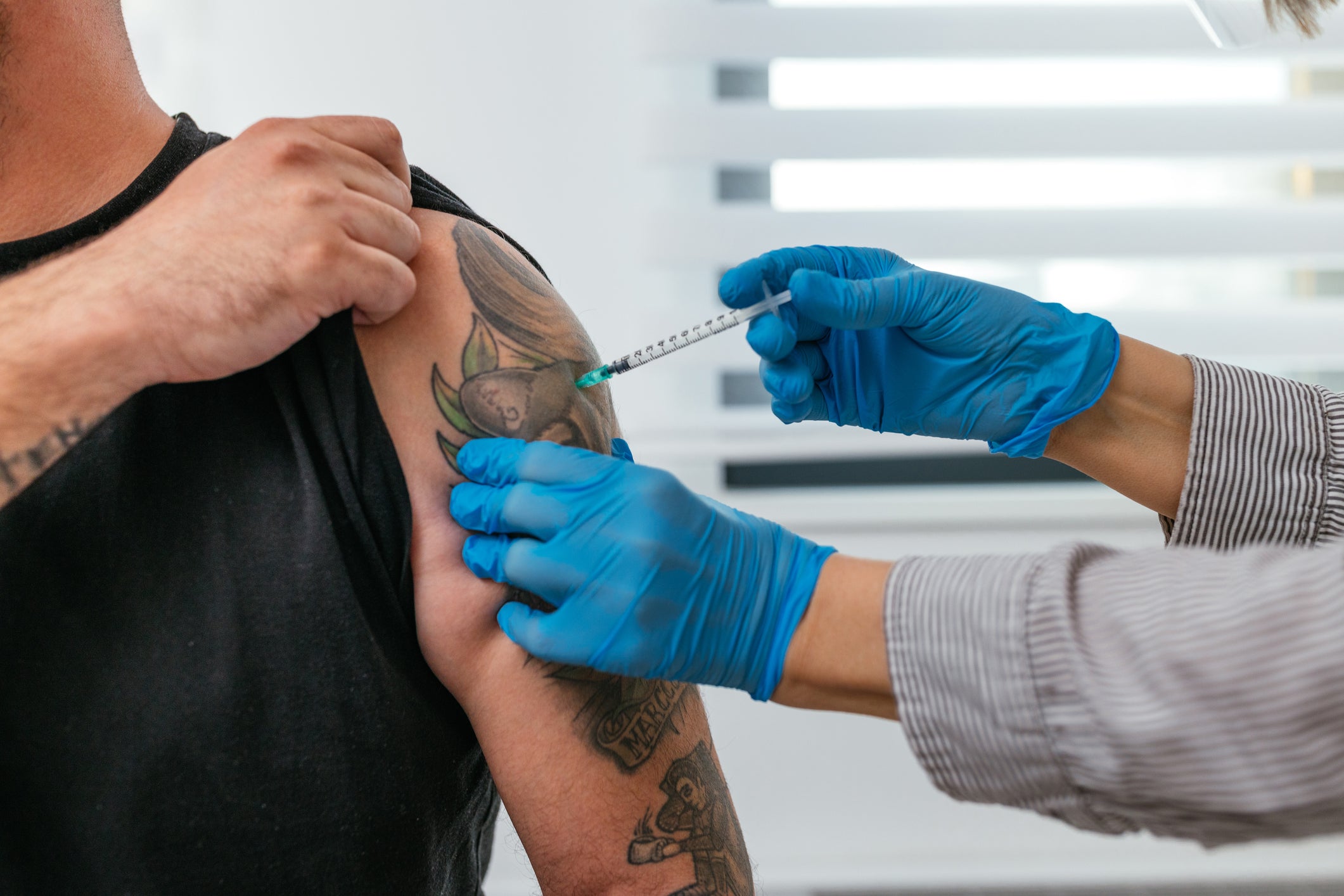
For those who want to get a tattoo but are concerned about the pain, the use of anesthetics is a major concern. In conclusion, while the Supreme Court ruled in 2020 that tattoo procedures themselves are not medical acts in Japan, the use of anesthetics is treated as a medical act and can only be performed under the supervision of a doctor.
Anesthesia by injection can only be performed by doctors and dentists (limited to the oral cavity). Topical anesthetic creams (such as Emla cream) are also prescription drugs and require medical evaluation, prescription, and management by a medical institution. Applying anesthesia at a tattoo studio or self-administering anesthetic creams imported privately is not recommended from both legal and safety perspectives.
This article provides a detailed explanation of the types of anesthesia used in tattoo procedures, their safety, Japanese legal regulations, and legitimate pain relief options available at studios.

So Takeuchi
Doctor / Supervisor
Career:
Graduated from Nagoya University School of Medicine in 2016 and obtained a specialist in dermatology. Has worked in various medical institutions, including university hospitals and clinics, providing a wide range of medical care. As a dermatologist, she focuses on conveying specialized content in an easy-to-understand manner and supervises and writes WEB articles.
Types and Differences of Anesthesia in Tattoo Procedures
There are two main types of anesthesia used in tattoo procedures: topical anesthesia and local anesthesia by injection. Understanding their characteristics and effects will help you determine the appropriate option.
In Japan, the prescription and use of these anesthetics are considered medical acts and are only permitted under the supervision of a doctor. Let's start by looking at the basic types and characteristics of anesthesia.
Types of Anesthesia and Their Characteristics
The anesthetics considered for tattoo procedures are broadly divided into topical local anesthetics and local anesthetics by injection. Topical anesthetics are applied to the skin surface, while injected anesthetics involve injecting the drug solution under the skin.
The main active ingredients in topical anesthetics are lidocaine and prilocaine, and in Japan, "Emla cream," which combines these, is used as a prescription drug in medical institutions. On the other hand, local anesthesia by injection works on the same principle as that used in dental treatment, but its use in tattoo procedures (outside the oral cavity) is limited to doctors only.
The main types of anesthesia and their key points regarding ingredients, administration methods, and handling in Japan are as follows:
- Topical local anesthesia: Lidocaine/Prilocaine, etc. (applied to skin surface, under doctor's supervision)
- Injected local anesthesia: Lidocaine/Mepivacaine, etc. (can only be administered by doctors/dentists, but dentists are generally limited to the oral cavity)
- Epinephrine combination: Risk of cardiovascular side effects, limited to use under doctor's supervision
Differences Between Topical Local Anesthesia and Injected Local Anesthesia
Injected local anesthesia has a deeper effect, but because it is a medical act, it cannot be used in tattoo studios. Furthermore, needle insertion can damage the skin, potentially affecting the subsequent tattoo procedure.
It is important to note that topical anesthetics do not achieve complete painlessness, but rather provide pain reduction. While topical anesthetics can be expected to reduce pain in the treated area, their effectiveness for extensive and prolonged stimulation like tattoo procedures varies greatly from person to person.

Laws and Regulations Regarding Anesthesia for Tattoo Procedures
Laws regarding tattoos and anesthesia in Japan are complex and often misunderstood. While the Supreme Court's decision in 2020 ruled that tattoo procedures themselves are not, in principle, medical acts, this ruling did not approve the use of anesthesia.
Anesthetic acts are clearly positioned as medical acts and are regulated by the Medical Practitioners' Act and the Pharmaceutical and Medical Device Act. Here, we organize the legal framework surrounding anesthesia in tattoo procedures.
It is Prohibited for Tattoo Artists to Administer Anesthesia
According to a notice from the former Ministry of Health and Welfare (now the Ministry of Health, Labour and Welfare) titled "Regarding Anesthetic Acts," performing anesthetic acts by anyone other than a doctor is a violation of the Medical Practitioners' Act. This notice, issued in 1965, clearly includes anesthesia within the scope of "medical acts."
Whether a tattoo artist applies anesthetic cream to a client or administers anesthesia by injection, both fall under the category of unauthorized medical acts and constitute a violation of Article 17 of the Medical Practitioners' Act. Violators may face imprisonment for up to 3 years, a fine of up to 1 million yen, or both.
Key points regarding related precedents, administrative notices, and operational aspects are as follows:
- Supreme Court (2020/9/16): Decorative tattooing is not a medical act.
- Ministry of Health and Welfare Notice: Anesthesia is a medical act. Injectable anesthesia can only be performed by doctors and dentists.
- Topical local anesthetics (Emla, etc.): Prescription drugs, for use only under medical supervision. Pain relief for tattoos is off-label use not approved in Japan.
- Personal import: Prescription drugs cannot be imported without a copy of the prescription. Even OTC drugs lack guaranteed safety and quality and are not recommended.
Refer to a Medical Institution if Anesthesia is Desired
In medical institutions, topical anesthesia is prescribed and used under a doctor's examination and suitability assessment. Emla cream is a designated potent prescription drug, and pharmacists cannot sell it without a prescription. Furthermore, since its use for tattoos is an off-label use, doctors must carefully evaluate the patient's medical history, allergy history, and application area, and therefore, a prescription is not always guaranteed.
If a client at a tattoo studio requests anesthesia, it is appropriate from a legal compliance perspective to refer them to a medical institution where they can obtain a prescription for anesthesia. If the client applies the anesthetic cream prescribed by a medical institution themselves under the doctor's instructions before receiving the procedure at the studio, legal risks can be avoided.
However, if studio staff apply anesthetic cream on behalf of the client, even with a doctor's prescription, it may still be considered a medical act. Therefore, it is essential to establish self-application by the client as a principle and explain this in advance.
Scope and Precautions for Self-Use
The personal import of medicines is permitted within certain limits by the Ministry of Health, Labour and Welfare regulations, but the import of prescription medicines is restricted. Specifically, there are limits on the quantity of prescription medicines that can be imported among medical-use medicines.
Self-administering anesthetic creams sold overseas and imported personally is not recommended from a legal or safety perspective. The U.S. FDA has also published safety concerns regarding some OTC topical analgesics for cosmetic procedures, and the use of products with unknown origin or ingredient concentrations should be avoided.
Precautions when considering personal import or self-use, and studio operational guidelines, are as follows:
- A copy of the prescription is required for personal import of prescription drugs.
- Overseas OTC anesthetic creams are not approved in Japan.
- Cases of poisoning due to high-concentration products have been reported overseas.
- Self-administered use carries a high risk of overdose or allergies.
- It is desirable for the studio to have a policy of refusing the bringing in of such products.
The Ministry of Health, Labour and Welfare's page on personal imports states that the personal import of medicines is limited to quantities intended for personal use, and giving or selling them to others is illegal. Giving anesthetic cream imported personally for a tattoo procedure to a friend or sharing it at a studio is a violation of the Pharmaceutical and Medical Device Act.
Safety and Risks of Anesthesia for Tattoo Procedures
Anesthesia is a useful means of pain relief, but it also carries side effects and risks. Topical anesthesia, in particular, is often misunderstood as "safe because it's just applied," but widespread use, prolonged occlusion, and repeated application can increase blood levels and lead to systemic side effects.
Here, we explain the safety and risks of anesthesia related to tattoo procedures, based on package inserts for medicines and case reports.
How to Distinguish Side Effects from Allergies
Side effects of topical anesthetics include local skin reactions and systemic reactions. Local reactions such as erythema, edema, itching, and burning sensation at the application site have been reported. While these are temporary if mild, if a strong reaction occurs, use should be discontinued and a doctor should be consulted.
An important systemic side effect is methemoglobinemia. Metabolites of prilocaine oxidize hemoglobin to produce methemoglobin, reducing oxygen-carrying capacity. The package insert for Emla cream contraindicates its use in patients with a history of methemoglobinemia, and caution is also required for patients with congenital or idiopathic methemoglobinemia or glucose-6-phosphate dehydrogenase deficiency.
Side effects that may occur with topical local anesthesia are mainly classified into three types: "local reactions," "systemic reactions," and "allergic reactions." The symptoms and guidelines for initial response for each are as follows:
- Local reactions: Erythema, edema, itching, burning sensation, etc. If mild, these are temporary, but if a strong reaction occurs, discontinue use and consult a doctor.
- Systemic reactions: Methemoglobinemia (especially prilocaine-related) or central nervous system abnormalities. Particular caution is required with widespread or prolonged use.
- Allergic reactions: If symptoms such as hives or difficulty breathing are observed, discontinue use immediately and seek medical attention promptly.
It is also important to distinguish between allergic reactions and simple skin irritation. In the case of allergies, hives may appear throughout the body, not just at the application site, or anaphylactic symptoms accompanied by difficulty breathing and a drop in blood pressure may develop. If you have a history of allergies to amide-type local anesthetics, be sure to inform your doctor.
Precautions for Pregnancy and Pre-existing Conditions
The use of anesthetics during pregnancy or lactation requires consideration of their effects on the fetus or infant. The package insert for Emla cream states that for pregnant women or women who may be pregnant, it should "only be used when the therapeutic benefits are judged to outweigh the risks."
In the first place, reasons why tattooing during pregnancy itself is not recommended include the risk of infection, unstable skin conditions due to hormonal changes, and the burden of maintaining the same posture for extended periods. It is advisable to postpone tattooing during pregnancy even before considering the use of anesthesia.
For individuals with certain diseases or conditions, the use of anesthesia may increase the risk of side effects or complications. Below are major pre-existing conditions and points to note in such cases.
- History of methemoglobinemia: Prilocaine-containing products are contraindicated.
- Heart disease/arrhythmia: Avoid epinephrine combinations.
- Liver dysfunction: Increased risk of toxicity due to delayed metabolism of local anesthetics.
- Epilepsy: Potential for seizure induction due to effects on the central nervous system.
- Atopic dermatitis: Risk of enhanced absorption due to impaired barrier function.
If you have a pre-existing condition, it is essential to consult a doctor before a tattoo procedure to determine whether anesthesia can be used. Self-administering anesthesia can lead to unexpected severe complications.

How to Choose and Use Anesthesia for Tattoo Procedures
Even when using anesthesia properly prescribed by a medical institution, it is crucial to understand how to use it correctly. Improper use, such as not following dosage and administration instructions, can not only lead to insufficient effects but also increase the risk of side effects.
Here, we provide practical information on how to choose topical anesthesia, its application procedure, and timing. However, in all cases, following a doctor's instructions is paramount.
How to Choose a Topical Local Anesthetic Cream
In Japan, topical local anesthetics legally available are limited to Emla cream and Penles tape (a patch type) prescribed by medical institutions. Many products labeled "tattoo anesthetic cream" sold at drugstores and online shops are actually cooling/calming cosmetics or OTC drugs that do not contain anesthetic ingredients.
Products with true local anesthetic effects are prescription drugs and cannot be obtained without a doctor's examination. While some products can be personally imported from overseas websites, their use is not recommended from both legal and safety perspectives.
Many "tattoo anesthetic creams" found in stores or online are cooling/calming types that do not contain local anesthetics like lidocaine, and are different from medical anesthetics. Over-reliance on their safety and effectiveness is prohibited.
When receiving a prescription from a medical institution, share your tattoo procedure plans, scope, duration, and medical history. The doctor will evaluate the risks and benefits, taking into account off-label use, and determine whether to prescribe the medication.
Appropriate Dosage and Application Procedure
For Emla cream, the recommended dosage for adults is 1g per 10cm². 10cm² is approximately equivalent to a 3.2cm x 3.2cm square. If the tattoo area is large, a greater amount will be needed, but the maximum single use is limited to 10g, and the application time is within 120 minutes.
The application procedure is as follows: First, clean the skin of the area to be treated and thoroughly dry it. Next, apply the specified amount of cream thickly and evenly. Cover it with an occlusive dressing (medical film for ODT) to seal it airtight. The standard application time is 60 minutes.
Patch Test and Procedure from Application to Removal
If you are using a topical anesthetic for the first time, a patch test is recommended. Apply a small amount to a narrow area, such as the inner forearm, and observe the reaction after 24 hours. If severe redness, swelling, or itching occurs, it may be an allergy, and use should be discontinued.
To use topical anesthetic cream safely and effectively, it is important to follow the correct application procedure. Below are general instructions for use, using Emla cream as an example.
*For first-time use, perform a patch test on a small area and discontinue use if a strong reaction occurs.
If the cream is not completely wiped off, residual cream may be pushed into the skin with the needle during the procedure, raising concerns about foreign body reactions and effects on pigment retention. After wiping, carefully cleanse with an alcohol-free wipe.
Anesthesia Use on the Day of the Procedure
On the day of the procedure, anesthesia should be applied at least 60 minutes before your appointment time. However, if you are having it applied at a medical institution, you'll need to account for consultation time and schedule accordingly.
If applying anesthetic cream after arriving at the studio, discuss this with your artist beforehand as it may lead to a long wait time. Also, the effect lasts for about 1-2 hours after removal, so for large pieces that require a long procedure, anticipate that the effect may wear off partway through.
Key timings and safety operation points to follow on the day of the procedure are as follows:
- Begin application 60-90 minutes before your appointment.
- Adhere strictly to the sealing time (too short will result in insufficient effect, too long in excessive absorption).
- If multiple areas are being treated, consider staggered application.
- Consult a doctor for additional application during the procedure due to the risk of overdose.
- Plan for more breaks to prepare for pain after the anesthetic wears off.
Understand that anesthesia does not guarantee complete painlessness, and a realistic approach to pain during the procedure is to combine breathing techniques and relaxation methods. The next section will detail pain relief options other than anesthesia.
Pain Management Without Anesthesia for Tattoo Procedures
Even if anesthesia is not an option, there are several ways to alleviate pain. These non-pharmacological approaches carry no legal risks and fewer side effects, making them widely practiced in many tattoo studios.
Since pain perception is heavily influenced by psychological factors, creating a relaxed environment and providing appropriate information are also crucial pain management strategies.
Cooling, Breaks, and Breathing in the Studio
Even without anesthesia, pain can be alleviated through simple methods such as cooling, breaks, and breathing techniques. Cooling is one of the most effective methods, but prolonged cooling can impede blood flow and affect ink retention, so caution is required.
Non-pharmacological pain relief methods that are easy to implement in a studio are as follows:
- Cooling: Briefly cool before the procedure (be careful of frostbite and vasoconstriction).
- Breaks: Take short breaks every 15-20 minutes to prevent pain from accumulating.
- Breathing: Exhale when the needle penetrates (diaphragmatic breathing, inhale:exhale = 1:2).
Distraction techniques are also effective. Listen to music, chat with the artist, or otherwise divert your attention from the pain to relax.
Sleep the Night Before
The quality of your sleep affects how you perceive tattoo pain. Lack of sleep or staying up all night can disrupt the autonomic nervous system and heighten your sensitivity to pain. Make sure to get 7-8 hours of sleep the night before to allow your body to rest.
It's especially ideal to avoid staying up late, drinking alcohol, or consuming caffeine, as these can reduce sleep quality. Adequate rest helps reduce stress and anxiety during the procedure, resulting in a more relaxed state for your body.
Meals and Hydration on the Day
Hunger or dehydration can lead to a drop in blood sugar, making you more sensitive to pain. Eat a light meal before the procedure to stabilize your blood sugar. Good options include easily digestible carbohydrates (onigiri or bread) and protein (eggs or tofu).
Hydration is also important. If your body is dehydrated, blood circulation can worsen, which may affect how the ink takes. Instead of drinking a large amount of water right before the procedure, try to drink small amounts frequently.
Precautions with Stimulants and Medications
On the day of the procedure, avoid consuming caffeine, alcohol, and energy drinks. Caffeine can excite the nervous system, potentially making you more sensitive to pain. Alcohol thins the blood, increasing bleeding and swelling, and can also impair judgment.
Furthermore, if you are taking anticoagulants or antiplatelet drugs (blood thinners), do not stop them on your own. There is a risk of bleeding or subcutaneous hemorrhage, so be sure to consult your primary care physician beforehand.
Clothing and Temperature Control
For the procedure, choose comfortable, easy-to-move-in clothing. Especially recommended are clothes that easily expose the treatment area and are not constricting. For example, a short-sleeved shirt or one with sleeves that can be rolled up for the arms, and loose pants for the legs.
Also, during the procedure, tension or air conditioning can make your body cold. Cold can cause muscles to contract and make you feel pain more acutely, so it's a good idea to bring a cardigan or blanket for comfort.