
As a tattoo artist, you may sometimes be asked by clients with atopic dermatitis, "I want to get a tattoo, is it okay?" When tattooing individuals with atopic dermatitis, there are higher risks compared to those with healthy skin, so providing comprehensive information is essential.
People with atopic dermatitis have a compromised skin barrier function, making them more susceptible to complications such as infection, worsening inflammation, and poor healing.
This article explains how to deal with atopic skin and important points to convey to clients.

Hitoko Ito
Doctor/Supervisor
Background:
A dermatologist specializing in dermatology and cosmetic dermatology at a clinic that also offers internal medicine and pediatrics. She shares information on children's skin care and how to choose over-the-counter medications on social media. In recent years, she has also focused on giving lectures for medical, childcare, and educational professionals, continuously working to spread dermatological knowledge to society, and examining approximately 20,000 patients annually.
Message from the doctor:
While I do not advocate for tattoos, many people delay seeking medical attention for skin problems after getting a tattoo, which often worsens their symptoms.
Therefore, the purpose of supervising this page is to "protect skin health and provide correct care and a medical perspective to prevent problems from escalating."
I hope this information helps as many people as possible to seek appropriate treatment and medical care early.
Impact of Atopic Dermatitis on Tattoos
First, let's understand how atopic dermatitis can affect tattoos. It's important to grasp the basic knowledge to make appropriate decisions.
Characteristics of Atopic Dermatitis
Atopic dermatitis is a chronic skin condition characterized by impaired barrier function, and its defense against external stimuli is weaker compared to healthy skin.
In Japan, approximately 10-11% of adults suffer from atopic dermatitis, making it not an uncommon condition. The skin's moisture retention capacity is low, and it is constantly prone to dryness, making it susceptible to inflammation from even minor irritation.
| Healthy Skin | Atopic Skin | Impact on Tattoos |
|---|---|---|
| Normal barrier function | Impaired barrier function | Increased risk of infection |
| Adequate moisture content | Chronic dryness | Potential for delayed healing |
| Resistant to irritation | Sensitive skin condition | Increased risk of hyperpigmentation |
| Normal inflammatory response | Exaggerated inflammatory response | Risk of keloid formation |
Strain on the Skin from Tattooing

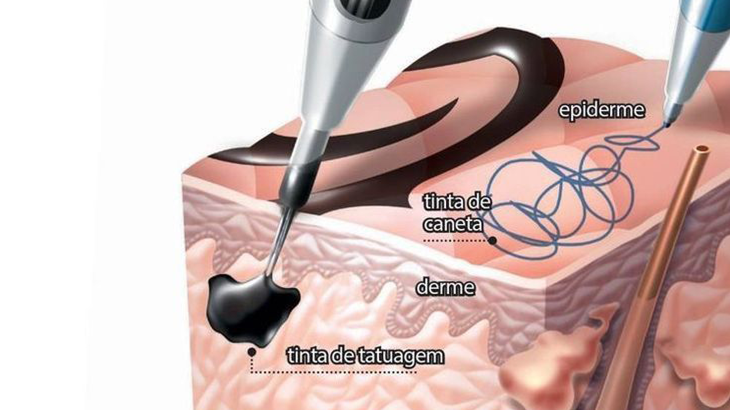
A tattoo involves injecting pigment into the dermal layer with needles, which puts a significant strain even on healthy skin. Numerous microscopic wounds are created during the procedure, and the pigment settles as these wounds heal.
In the case of atopic skin, this healing process is more likely to be abnormal, leading to a risk of unexpected skin problems. Particular caution is needed when immunity is low, as even those whose symptoms are usually stable can experience a sudden worsening of their condition.
Relationship Between Metal Allergies and Tattoo Ink
Many people with atopic dermatitis also suffer from metal allergies. Since some tattoo inks contain trace amounts of metal components, patch testing before the procedure is particularly important.
Various metal components, such as mercury and iron in red inks, and cobalt in blue inks, can trigger allergic reactions. Failure to confirm this beforehand can lead to severe allergic reactions after the procedure, so caution is necessary.
Potential Risks of Tattooing Atopic Skin
When tattooing atopic skin, there are specific risks in addition to the usual tattoo risks. It is crucial to understand these risks thoroughly and explain them clearly to clients.
Risk of Infection
Even in healthy individuals, the infection rate after tattooing is approximately 0.5-6%, but it is even higher in atopic skin with impaired barrier function. Bacteria and viruses can easily invade, and once infected, the condition tends to worsen significantly.
Infections caused by commensal bacteria such as Staphylococcus aureus and Streptococcus are particularly common, and there is a risk of developing cellulitis, a serious infection. Guidance on proper aftercare methods following the procedure is essential.
- Abscess formation due to bacterial infection
- Blister formation due to viral infection
- Chronic inflammation due to fungal infection
- Risk of progression to sepsis
Abnormal Inflammatory Response and Poor Healing
In atopic skin, the immune system is hypersensitive, which can lead to an abnormal inflammatory response to tattooing. It is not uncommon for redness and swelling, which would normally subside within 1-2 weeks, to persist for several months.
Furthermore, many cases report uneven pigment retention or unsatisfactory results due to poor healing. Attempting corrective procedures may further exacerbate the skin condition, requiring careful judgment.
| Symptoms | Normal Response | Response in Atopic Skin |
|---|---|---|
| Redness/Swelling | Improves in 1-2 weeks | May persist for several months |
| Itchiness | Mild and short-lived | Strong itching that persists for a long time |
| Peeling Skin | Normal healing process | Excessive peeling and color loss |
| Pigment Retention | Even retention | Patchy and uneven |
Risk of Keloids and Hyperpigmentation
For individuals with a keloidal predisposition who also suffer from atopic dermatitis, there is a higher chance of developing hypertrophic scars or keloids at the tattooed site. Once a keloid forms, it is difficult to remove and can significantly impact appearance.
Furthermore, prolonged inflammation can lead to the spread of unrelated hyperpigmentation around the tattoo. This is known as post-inflammatory hyperpigmentation, a phenomenon where color remains after inflammation subsides, and it is a particularly common problem in individuals with atopic skin.
Thorough Counseling Before Tattooing
For clients with atopic skin, the procedure requires more careful counseling and preparation than usual. To minimize risks, ensure the following points are implemented.
Recommendation for Doctor Consultation and Current Symptom Confirmation
It is crucial to always recommend consulting the treating physician for atopic dermatitis and to obtain their permission for the procedure. Have a specialist assess potential interactions with current medications and the stability of the symptoms.
In recent years, new treatments for atopic dermatitis, such as biologics and JAK inhibitors, have emerged, and more clients are now stable on these medications. These drugs, with their immunosuppressive effects, further increase the risk of infection, so particular caution is required during tattoo procedures.
Furthermore, it is necessary to thoroughly check the current condition of the desired tattoo site, and if there is active inflammation, the decision to postpone the procedure may be necessary. Always prioritize the client's safety in your judgment.
- Obtain a medical clearance form from a dermatologist.
- Confirm the list of current medications being used.
- Inquire about symptom changes over the past year.
- Detailed confirmation of steroid usage.
Patch Testing and Placement Selection
Considering the possibility of metal allergies, perform a 48-hour patch test for all intended ink colors. Choose an inconspicuous area for the test and carefully observe the extent of the reaction.
When selecting the tattoo site, prioritize areas where atopic symptoms rarely appear. It is advisable to avoid joint areas or areas with frequent friction, as symptoms can worsen there.
| Recommended Areas | Areas Requiring Caution | Areas to Avoid |
|---|---|---|
| Outer upper arm | Wrists/Ankles | Elbows/Knees (joints) |
| Around the shoulder blade | Chest/Abdomen | Around the neck |
| Side of the thigh | Center of the back | Areas with current inflammation |
Important Considerations During Pre-Procedure Counseling
During counseling, it's not enough to just explain the risks; you also need to confirm the client's understanding. Especially for younger clients who tend to underestimate risks, it's effective to illustrate past problem cases and the skin's condition after appropriate aftercare using concrete examples.
Furthermore, thoroughly explain the aftercare methods following the procedure and ensure they understand that careful care will be needed for a longer period than for average individuals. It's also important to build a relationship where they feel comfortable consulting you about any concerns.
Considerations for Safe Tattooing on Atopic Skin
When performing a procedure after understanding the risks, stricter hygiene management and meticulous aftercare instructions are required. Let's look at specific countermeasures to protect the client's safety.
Special Considerations During the Procedure
For tattooing sensitive skin, it is important to adjust the needle insertion depth to be shallower and to keep the procedure time shorter. Prolonged procedures can place a greater burden on the skin, potentially intensifying inflammatory reactions.
- Set needle insertion depth shallower than usual.
- Shorten procedure time and conduct in multiple sessions.
- Thorough sterilization of all instruments used.
- Continuous observation of skin condition during the procedure.
- Immediately stop the procedure if any abnormalities occur.
Post-Procedure Moisturizing Care and Precautions
For individuals with atopic skin, post-procedure moisturizing care is particularly crucial. Applying a standard petrolatum-based ointment multiple times can promote healing and prevent complications.
While keeping the tattooed area clean is also important, excessive washing can damage the skin. To prevent the proliferation of Staphylococcus aureus, gently wash once a day with a well-lathered, mild acidic cleanser, and then continue with frequent moisturizing care.
| Care Item | Normal Tattoo | Response in Atopic Skin |
|---|---|---|
| Washing frequency | Approx. twice a day | Once a day, gently wash with a well-lathered, mild acidic cleanser |
| Moisturizer | Petrolatum-based ointment | Petrolatum-based ointment |
| Moisturizing frequency | 2-3 times a day | Thorough moisturizing 4-5 times a day |
| Follow-up period | 2-3 weeks | 1-2 months |
Sun Protection and UV Measures
For atopic skin, inflammatory reactions due to UV exposure tend to be strong, making post-procedure UV protection particularly important. Avoiding direct sunlight is crucial, and caution is also needed for UV rays coming through windows indoors.
Regarding sunscreen use, advise clients to choose gentle formulations, reapply frequently, and use sunscreen with an SPF of about 30 for sufficient protection. It is also recommended to combine this with physical sun protection to reduce skin burden.
Alternatives for Clients with Atopic Skin
If the risks of tattooing are too high for atopic skin, or if the client is feeling anxious, offering alternatives is also an important part of our role. Knowing various options will allow us to provide better advice.
Temporary Tattoo Stickers
Temporary tattoo stickers have recently gained popularity, but they require caution for individuals with atopic skin. There is a risk of allergic reactions to the adhesive or dyes in the stickers, and in some cases, they may even pose a higher risk than permanent tattoos.
Temporary stickers also carry their own inherent risks, so they should not be easily recommended as a "safe alternative." Always perform a patch test before use and recommend starting with short-term use.
- Risk of rash due to adhesive
- Possibility of pigmentation from dyes
- Skin damage during removal
- Hygiene management for infection prevention
Permanent Makeup

Permanent makeup is a technique where pigment is applied to a shallower layer (epidermis to superficial dermis) than tattoos, with a duration of about 1-3 years. However, it is not necessarily safe for individuals with atopic skin.
Especially for facial areas, there is a unique risk that procedures around sensitive areas like the eyes and mouth can exacerbate atopic symptoms. Since inflammation on the face has a significant visual impact, more cautious judgment is required.
| Item | Tattoo | Permanent Makeup |
|---|---|---|
| Application Depth | Dermal layer | Epidermis to superficial dermis |
| Duration | Semi-permanent | 1-3 years |
| Pain Level | Medium to High | Mild to Medium |
| Risk for Atopic Skin | High | Medium |
Reconsidering After Symptom Control
For those whose atopic symptoms are currently unstable, it is recommended to continue treatment and reconsider getting a tattoo once their symptoms are stable. If symptoms have been stable for more than a year during a remission period, the risks may be reduced.
However, it is important to ensure that clients understand that the risk is not zero even during remission and to encourage them to continue regular follow-ups with a dermatologist. Aim to provide advice that prioritizes the client's health from a long-term perspective.
Summary
Tattooing on atopic skin carries many risks, including an increased risk of infection, abnormal inflammatory reactions, and poor healing. Tattoo artists have a responsibility to correctly understand these risks and provide appropriate information to clients.
When considering a procedure, patch testing and careful selection of the tattoo site are essential. Furthermore, post-procedure aftercare methods must be more thorough and long-term than usual.
Prioritizing the client's safety, it is also an important decision to courageously decline a procedure if the risks are too high. Let's provide optimal advice tailored to each individual's skin condition.