
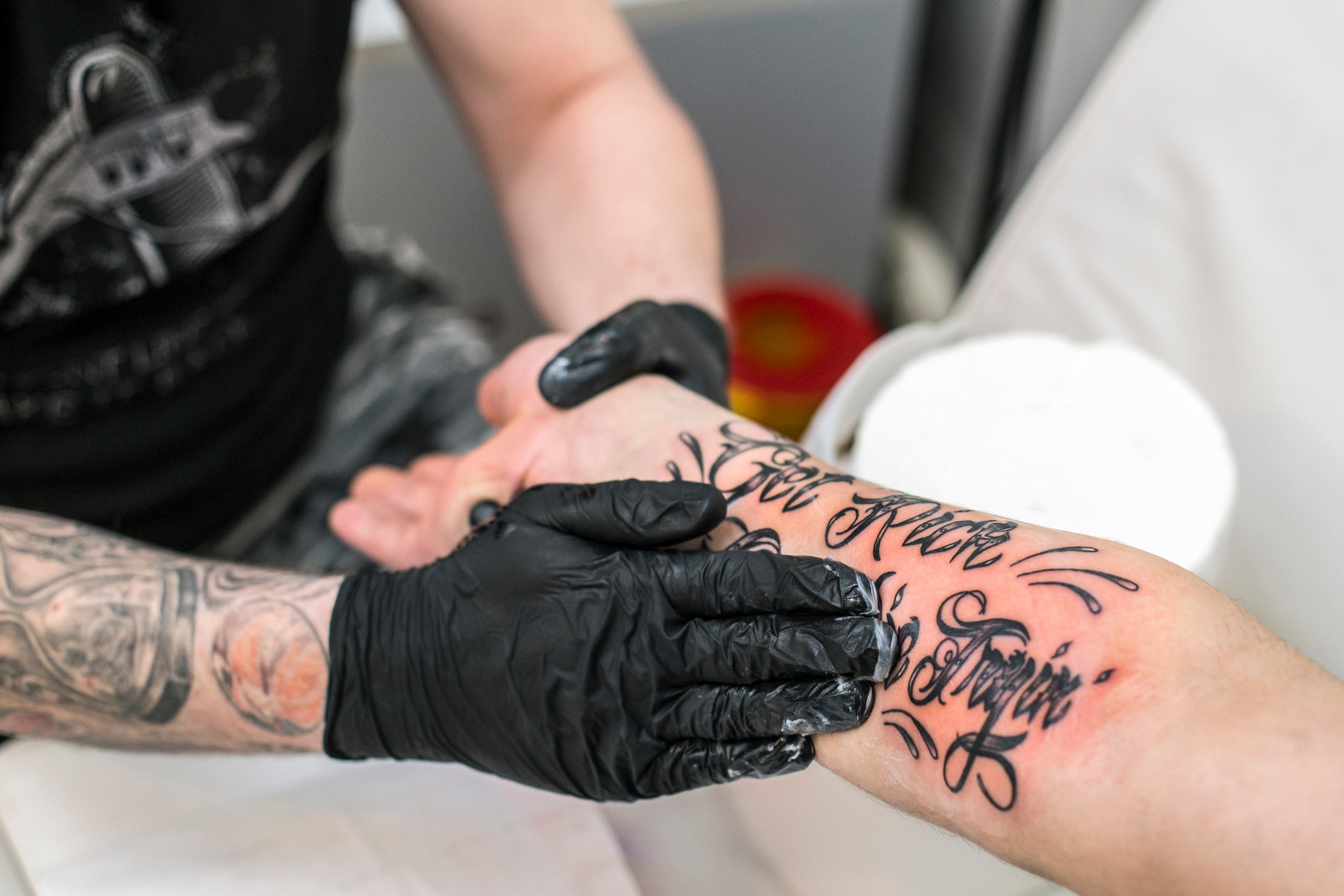
Many people are anxious about the bumps and itching that appear immediately after getting a tattoo. While these symptoms are a normal reaction to skin problems after the procedure, experienced by many, improper care can worsen symptoms or increase the risk of infection. For tattoo artists, communicating proper aftercare to clients is an important part of their job.
This article provides a detailed explanation of everything from the causes of bumps and itching immediately after a tattoo procedure, to appropriate home care methods, recommended care products, and cases where medical attention is necessary.

Causes of bumps and itching immediately after a tattoo
Bumps and itching that appear immediately after a tattoo procedure are a natural reaction to the damage the skin has sustained. First, make sure you can clearly explain why these symptoms occur.
Inflammatory response during the natural healing process of the skin
When the needle of a tattoo machine penetrates the skin, numerous tiny wounds are created in the dermis, and an inflammatory response occurs during the healing process of these wounds. An inflammatory response is a normal biological reaction in which white blood cells and platelets gather to repair the wound. During this process, blood vessels dilate and blood flow increases, causing redness and swelling.
As the wound heals, new skin cells are formed, and old keratinized skin flakes off. During this time, small bumps may appear on the skin surface, or an itchy sensation may be felt. Typically, such symptoms peak 2-3 days after the procedure and gradually improve over about a week.

Allergic reaction to ink
Although rare, some people may experience an allergic reaction to ingredients in tattoo ink. Red and yellow inks, in particular, are said to be more likely to cause allergic reactions. Symptoms of an allergic reaction often appear more intensely than a normal inflammatory response and can be accompanied by severe itching and swelling.
In the case of an allergic reaction, symptoms appear within a few hours to a few days after the procedure and tend to persist for a longer period compared to reactions due to the natural healing process. Also, similar symptoms may appear in other areas where the same ink was used.
Skin problems due to infection
If proper hygiene is not maintained or aftercare is insufficient, bacterial infection can occur. If an infection occurs, strong symptoms beyond a normal inflammatory response will appear. In the early stages of infection, redness and swelling will intensify, and a warm sensation may be felt when touched.
As the infection progresses, symptoms such as pus discharge, foul odor, and fever may appear. If these symptoms are observed, as described later, prompt medical treatment is required.
Proper aftercare steps to suppress bumps and itching after a tattoo procedure
Proper aftercare is important to minimize bumps and itching after a tattoo procedure and maintain a beautiful finish. Here, we explain the steps for care that should be taken immediately after the procedure.

Intensive care from immediately after the procedure for 3 days
The first 72 hours immediately after the procedure are the most critical period, and proper care during this time significantly influences the final result. First, carefully remove the film or bandage applied by the artist after the time instructed by the tattoo artist has passed. When removing, it is important to do so gently to avoid damaging the skin.
After removing the film, gently wash with lukewarm water and soap. At this time, do not rub vigorously or use hot water. After washing, pat dry with a clean towel, let it air dry, then apply a thin layer of moisturizer.

Continued care from the first week onwards
From the fourth day after the procedure, skin repair progresses, and old keratin begins to shed. During this period, a thin scab-like layer may form, but it should never be scratched or forcibly peeled off. It is important to wait until it peels off naturally.
If the itching is severe, it is effective to gently apply a towel soaked in ice water or use a cooling gel to suppress inflammation. However, avoid applying ice directly to the skin; always wrap it in a towel. Continue washing and moisturizing 2-3 times a day during this period to maintain a clean environment.
Absolutely forbidden actions
In tattoo aftercare, it is crucial to avoid actions that can worsen symptoms. The most important thing to avoid is scratching, even if it's itchy. Scratching with fingernails can remove ink or deepen the wound, negatively affecting the final result.
Also, refrain from using alcohol-based disinfectants, scented soaps, or body washes. These can irritate the skin and worsen inflammation. Furthermore, it is advisable to avoid wearing tight clothing or rubbing the tattooed area. Choose loose-fitting, breathable clothing and be careful not to put pressure on the area even while sleeping.

Recommended care products and how to choose them for clients after tattooing
For tattoo aftercare, it is important to choose gentle and effective products for the skin. From the many products available on the market, we will explain in detail the characteristics and selection methods of items suitable for tattoo care.
Types of moisturizers
It is crucial to choose fragrance-free, colorant-free, and low-irritation moisturizers, which are fundamental to tattoo care. Petroleum jelly is a particularly popular choice, forming a protective barrier on the skin surface and preventing moisture evaporation. The key is to choose high-purity white petroleum jelly and apply it thinly.
Ceramide-containing creams are also an excellent choice. Ceramides are ingredients that repair the skin's barrier function and enhance moisturizing effects, acting gently even on sensitive skin. Additionally, products containing hyaluronic acid have high moisture retention capabilities and are suitable for caring for dry tattooed areas.
Tattoo-specific care products
In recent years, many tattoo-specific aftercare products have been released. These products are developed with the characteristics of tattoos in mind and may be more suitable than general moisturizers. Tattoo-specific creams often contain ingredients that suppress inflammation and promote healing, so more effective care can be expected.
When choosing tattoo-specific products, it is important to check the ingredient list and select those that do not contain irritating ingredients such as alcohol, fragrances, or parabens.
Cooling and soothing items
If itching or inflammation is severe, cooling items are effective. Aloe vera gel, in particular, has a natural cooling effect and can also help soothe inflammation. However, avoid using it if you have an allergy to aloe.
Cooling gel packs are also convenient. Use them after chilling in the freezer, but it is important to always wrap them in a clean towel before applying to the skin. Applying directly to the skin can cause frostbite, so use at an appropriate temperature and avoid prolonged use.

How to deal with symptoms after a tattoo
We will organize appropriate countermeasures and recommended care products for various symptoms that appear after a tattoo, categorized by symptom. Since the severity of symptoms and individual differences exist, it is important to understand basic countermeasures and provide care tailored to your own situation.
Dealing with mild itching and bumps
Cooling is most effective for mild itching, and applying a cold pack wrapped in a towel for about 10-15 minutes can relieve symptoms. After cooling, apply a thin layer of petroleum jelly or an unscented moisturizing cream to prevent skin dryness. Over-the-counter antihistamine topical medications can also be effective, but it is recommended to perform a patch test before use.
Even if you are concerned about bumps, you should never touch or scratch them. If the itching is unbearable, you may consider using an oral antihistamine, but it is important to consult a pharmacist before use.
Dealing with moderate inflammation
If redness and swelling are severe, prioritizing inflammation reduction is key. Applying a thin layer of a non-steroidal anti-inflammatory topical medication (such as over-the-counter indomethacin cream) can help reduce inflammation. However, as the skin is sensitive, always test a small amount before use.
In cases of moderate inflammation, it is important to cool and moisturize 3-4 times a day and maintain rest. Aloe vera gel, which has anti-inflammatory properties, can also be effective, but ensure there is no aloe allergy before use. If symptoms do not improve for more than 3 days, consider consulting a medical institution.
Cases where medical attention is required for skin problems after a tattoo
While most bumps and itching after a tattoo heal naturally, some cases may require medical treatment. It is important to know the signs of dangerous symptoms for appropriate judgment.
Warning signs of bacterial infection
If there is severe redness and swelling accompanied by fever, pus discharge with a foul odor, or a warm sensation to the touch, there is a high possibility of bacterial infection, and prompt medical attention is required. Additionally, if red streaks spread along blood vessels, it may indicate lymphangitis, which is an urgent condition.
If symptoms suggestive of infection appear, do not continue self-care, but consult a medical institution with a dermatology or infectious disease department. Infections can become severe without appropriate antibiotic treatment, so early treatment is crucial.
Severe allergic reactions
If an allergic reaction to the ink becomes severe, systemic symptoms may appear. If symptoms such as difficulty breathing, generalized hives, or altered consciousness occur, there is a possibility of anaphylactic shock, and emergency transport is required.
If a rash spreads to other parts of the body in addition to the tattooed area, or if there is swelling of the lips or eyelids, these are also signs of a severe allergic reaction. In such cases, prompt medical attention or emergency transport is necessary.
Symptoms that do not improve for a long time
Normal post-tattoo inflammatory reactions improve within 1-2 weeks, but if symptoms do not improve after 3 weeks or more, medical consultation is necessary. Chronic inflammation can lead to complications such as granuloma formation or keloids.
Furthermore, if symptoms that had improved worsen again, or if new symptoms appear, caution is advised. There may be a possibility of delayed allergic reactions or hidden infections, which may require diagnosis and treatment by a specialist.
Comparison table of recommended care products
We have compiled a comparison of commercially available items suitable for tattoo aftercare, categorized by their effects and features. Please use this as a reference for your selection.
| Item Name | Main Effects | Timing of Use | Precautions |
|---|---|---|---|
| White Petroleum Jelly | Moisturizing・Protection | Throughout the period | Do not apply thickly |
| Ceramide Cream | Barrier function repair | From day 3 onwards | Choose fragrance-free type |
| Aloe Vera Gel | Cooling・Soothing | During inflammation | Check for allergies |
| Antihistamine Topical Medication | Itch suppression | When itching is severe | Patch test essential |
Top recommended care product
"BOKUSAI | Inked Gel" is particularly recommended as the only tattoo care product in Japan approved by the Ministry of Health, Labour and Welfare. This gel is entirely made in Japan, from manufacturing to packaging, and provides high moisturizing power to support tattoo healing, with active ingredients that effectively contribute to a beautiful tattoo finish.
Specifically, placenta extract supports hormone balance, and allantoin protects and conditions the skin from inflammation, with an additional 14 types of natural plant extracts. It is available in two types: a jar (120g) and a tube (100g).


Summary
Bumps and itching immediately after a tattoo are often normal symptoms that appear during the healing process. Proper aftercare can minimize symptoms and help maintain a beautiful finish.
Basic care involves continuous gentle washing and moisturizing, and it's important to choose fragrance-free, low-irritation products. If itching is severe, use cooling to relieve it, and absolutely avoid scratching or touching the area.
However, if there are signs of infection such as fever, pus, or a foul odor, or if symptoms do not improve after 3 weeks or more, it is necessary to seek medical attention promptly. By acquiring proper knowledge and judgment, you can confidently perform tattoo aftercare.